
Other Martial Arts
How is our training different from other martial arts? These photos can offer a small glimpse of what our training is NOT like and why. Our martial art is not right for everybody and some people may prefer training in other styles, and that’s OK. Training in any martial art may be better than no training at all, and while I do not mean to insult practitioners of other styles, the reality is that all styles tout their perspectives and criticize the methods of others. So from the perspective of this dōjō, other styles have many bad techniques and problematic training methods that can lead to vulerabilities in real world violent sitatuons. To be fair, that may not actually be the focus of sport martial arts and ‘internal’ soft arts, and for those arts, what we do is completely wrong. The point is that people should be clear about the real emphasis of a particular martial art before they spend a lot of time training in it only to discover they really want something else. This won’t answer all your questions, so reach out if you want to know more.

This is wrestling, not Jūjutsu. The Brazilians mixed wrestling with Jūdō to create Brazilian Jiujitsu. Mix two sports and what do you get…?
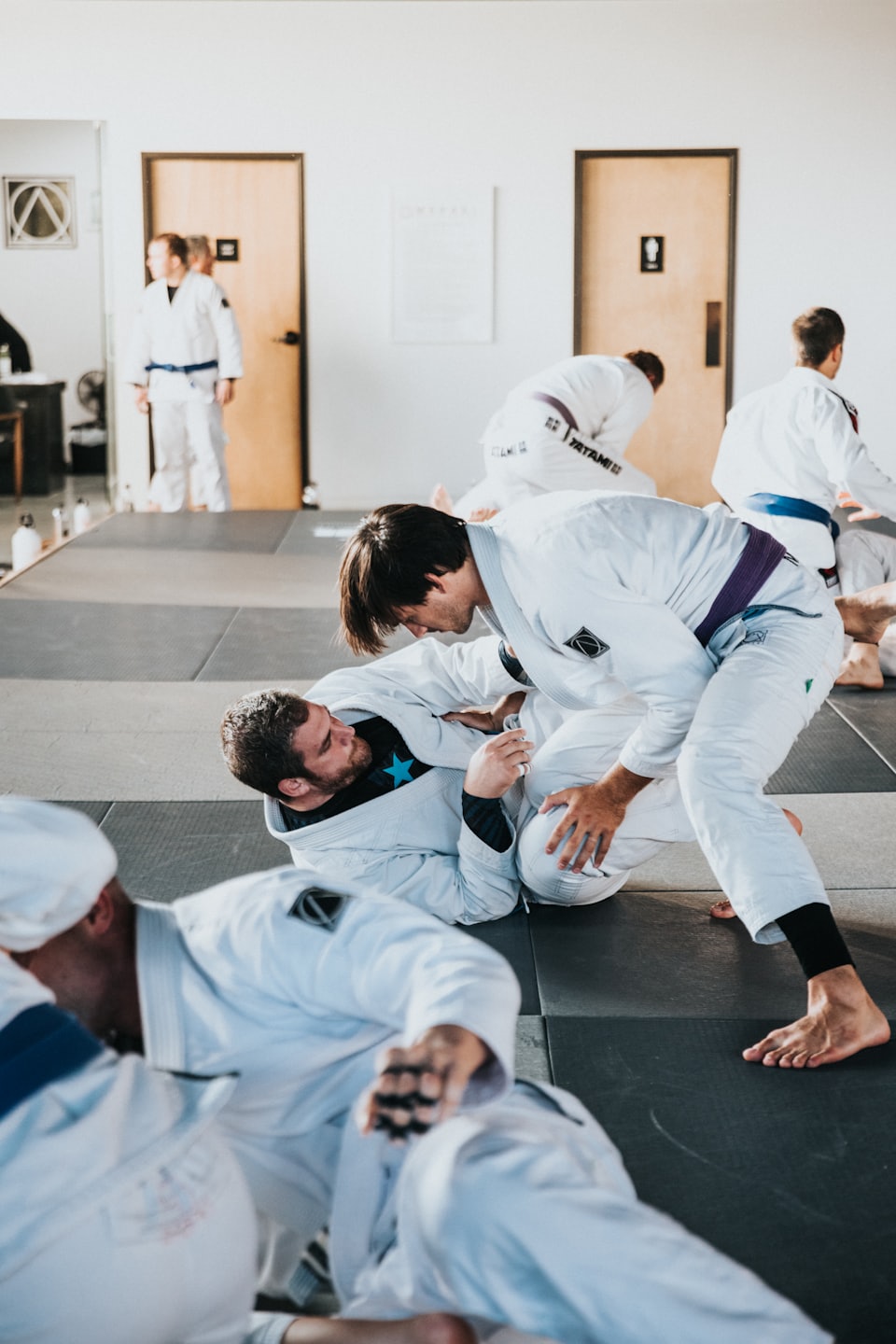
These guys are clearly lacking the insight to know how to control the situation. I blame the instructors and the arts that got them so confused by a sport wrestling mentality. Sport proficiency does not equate to combat efficiency.
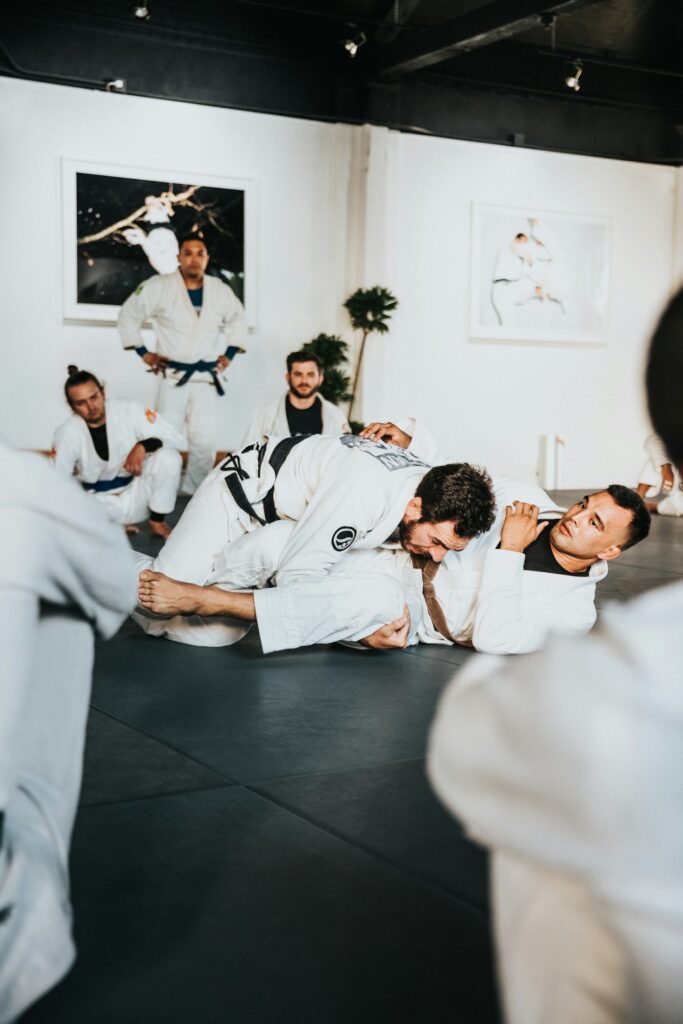
While these two may be content struggling to see which of them is stronger, they are both vulnerable to serious attacks from the other. This kind of ‘ground game’ shows a complete lack of awareness of weapons attack. Also, struggling on the ground like this makes them both vulerable to attack by multiple opponents, but sport rules have gotten them conditioned to the safety of ‘the ring.’ Those are bad habits if the attacker has a couple of buddies ready to jump in and pound your head with pipes.
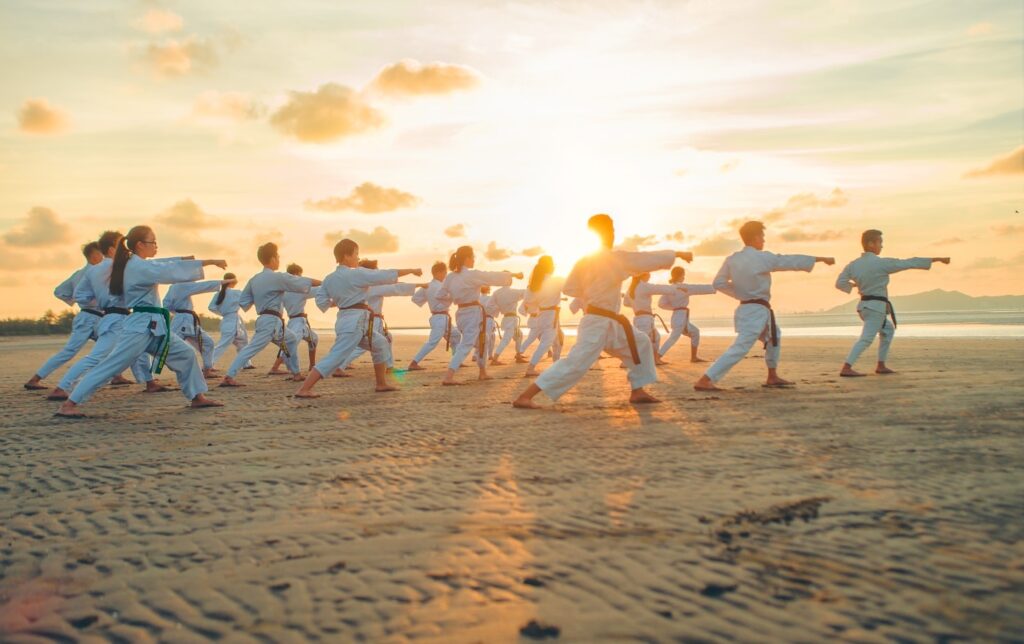
This type of ‘training in the air’, punching at imaginary opponents, is the sort of thing one should learn at the first few classes, and maybe used for supplemental training at home to work on one’s form, but this is just ‘busy work’ if it is being done by a large group. I could excuse it if they were all white belts just starting out, but I can see only one white belt in the group. This sort of training is what bores the hell out of most students and causes high quitting rates. I’ve been there and done that. These sorts of martial arts spend way too much time preparing to train and not enough time spent actually training with effective combat techniques on real human training partners so that they can develop proper skills of distancing, angling (nothing to do with fish), timing, unbalancing, leverage, etc. I feel sorry for practitioners of these arts and hope that they can one day move on to a more effective style.

Training at APMA transformed my discipline and refined my Jujutsu techniques beyond expectations.

Mika Tanaka
Martial Arts Student
That’s a bogus AI-generated testimonial, but there are many people who would agree with it. Your experience may be different, but you won’t know until you give it a try. You are not likely to develop better self-defense skills sitting at home playing Street Fighter (I can see you Bob!), so get in touch and let’s see if you might enjoy training in Samurai martial arts.